
Window Repair
Window repair in Las Vegas
Most broken windows don’t need replacing. They need fixing.
- Since 1953
- 4.9 stars across 400+ reviews
- Nevada C-8 licensed 0004490A
- Repair beats replacement
What we repair
What we repair

Find your problem here.
- Broken or cracked pane. A rock, a slam, a ball. The glass is gone but the frame is fine.
- Failed seal, foggy glass. Haze or moisture trapped between two panes that won’t wipe off.
- Stuck or binding sash. The window won’t slide, or fights you the whole way.
- Broken balance or spring. The sash drops shut or won’t stay up.
- Damaged frame. Cracked, bent or pulled out of square so nothing seats right.
- Failed weatherstripping. Air and dust coming through a gap that used to seal.
If your window is one of these, we can almost always repair it. Send a photo and we’ll tell you.
Repair or replace?
Repair or replace?
Here’s the honest decision, not the one that sells the most glass.
Repair it when the frame is sound and the fault is the glass, the seal, the balance or the weatherstrip. That’s most windows and it costs a fraction of a new unit.
Replace it when the frame itself is failing, when a single-pane window is bleeding money every summer, or when the repair cost climbs past the cost of a new window. There’s a crossover point, and we’ll show you where your window sits.
When replacement is the right call, we do that too. See Window Replacement Las Vegas.
Foggy glass
Foggy and failed-seal windows
Fog between the panes is the most common window fault in this valley.
A dual-pane window is two panes sealed around a gas gap. When the seal fails, moisture gets in and hazes the glass from the inside. No amount of cleaning touches it, because the film is between the panes.
You don’t have to replace the whole window. If the frame and sash are good, we replace the sealed glass unit only and leave the rest. Cheaper, faster, and the fog is gone; the new sealed unit carries a manufacturer warranty.

Same-day & emergency
Same-day and emergency repair
If the glass is broken out and the opening is exposed, that’s an emergency, and it has its own crew.
For a hole in a storefront or a smashed window that needs securing right now, go straight to Emergency Board-Up Las Vegas. We answer 24 hours and are usually on site within the hour. For everything that can wait for a scheduled visit, stay here and send us a photo.
Desert climate
Why windows fail in the desert
Las Vegas is hard on glass in ways a milder climate never puts it through.
- Thermal stress cracks. Glass that bakes in direct sun and then hits cold shade or a cold blast of AC can crack from the stress alone, no impact needed.
- Seals fail faster. A 120-degree summer cooks the sealant on a dual-pane unit and shortens its life, which is why foggy glass is so common here.
- Sun-rotted weatherstripping. UV dries out and crumbles the rubber and foam that used to seal the sash. That’s where your cool air is going.
We see these every week, and we know which repair each one takes.
What it costs
What it costs
We’d rather price your actual window than make you guess.
A single-pane glass swap is one of our most affordable fixes. A failed sealed unit, the foggy dual-pane fix, costs a bit more. Smaller repairs like balances, springs and weatherstrip are quoted when we see the window. They run well below a glass replacement. The exact number depends on the size and the glass, so send a photo and a rough measurement and we’ll price your actual window. We price the actual job when we measure, and the written quote is the number. No trip charge to find out.
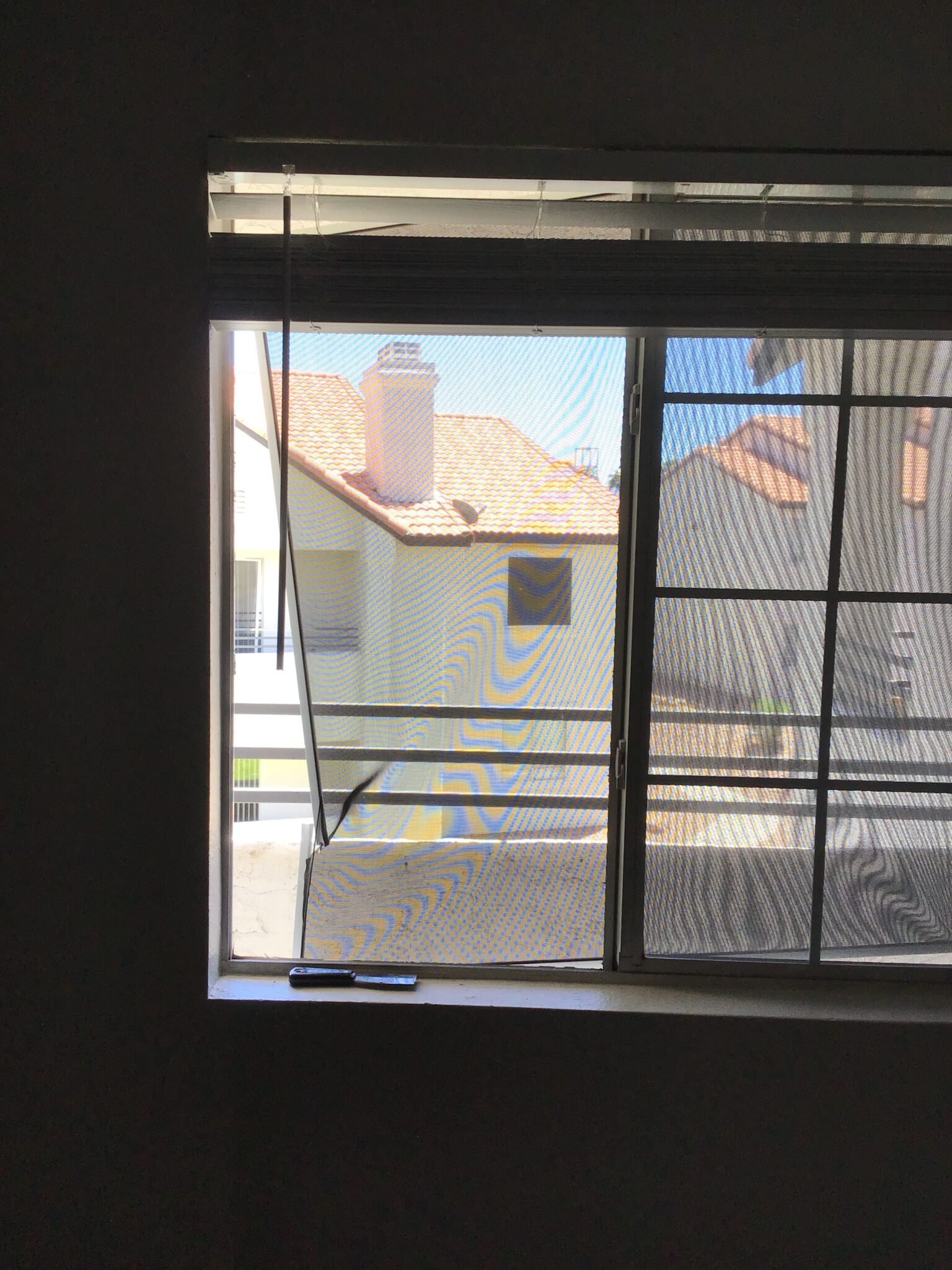
Before and after



Service area
Service area
We handle residential window repair across Las Vegas, North Las Vegas, Henderson and Summerlin, plus commercial storefronts and offices.
Out in Henderson or North Las Vegas? Same service, same day where we can. Call and we’ll tell you the real schedule to your part of town.
Window repair FAQ
Window repair FAQ
Can you replace a single broken window in a house?
Do you do auto glass or windshields?
Can you fix a foggy window without replacing the whole thing?
How fast can you come out?
Is repair cheaper than replacement?
Do you work on dual pane windows?
Repair it, don’t replace it
Send a photo and we’ll tell you what your window needs. No trip charge to find out.